Rising Damp Liverpool: Identification and Solutions
Rising damp in Liverpool properties is a serious moisture issue caused when groundwater travels upwards through porous brickwork and masonry via capillary action. This problem is especially common in Liverpool's extensive stock of historic Victorian and Edwardian terrace houses—such as those in Toxteth, Wavertree, Walton, and Woolton—which were built before the 1950s and often lack a functioning or modern Damp Proof Course (DPC).
If left untreated, rising damp breaks down plaster, ruins internal decorations, and carries ground salts that permanently damage walls and endanger respiratory health
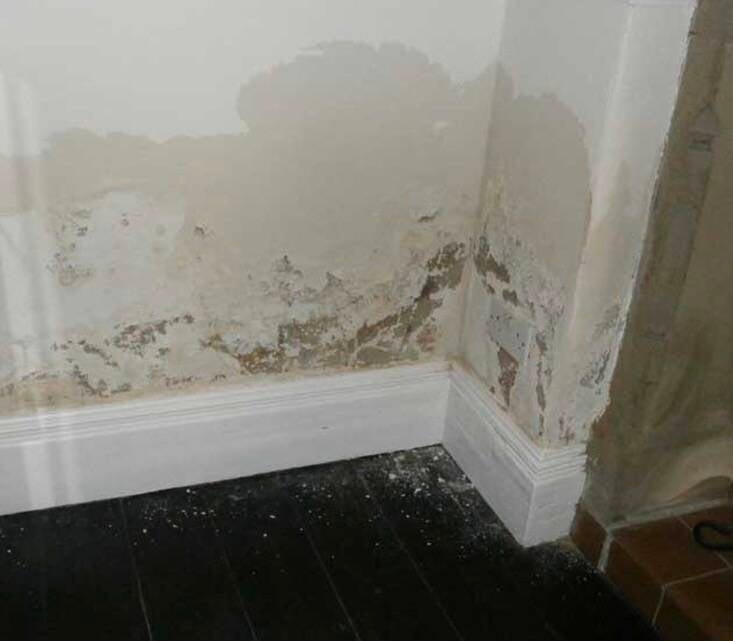
Identification: How to Spot Rising Damp
Because rising damp can easily be confused with other moisture issues, look for these specific characteristics to differentiate it from penetrating damp or condensation:
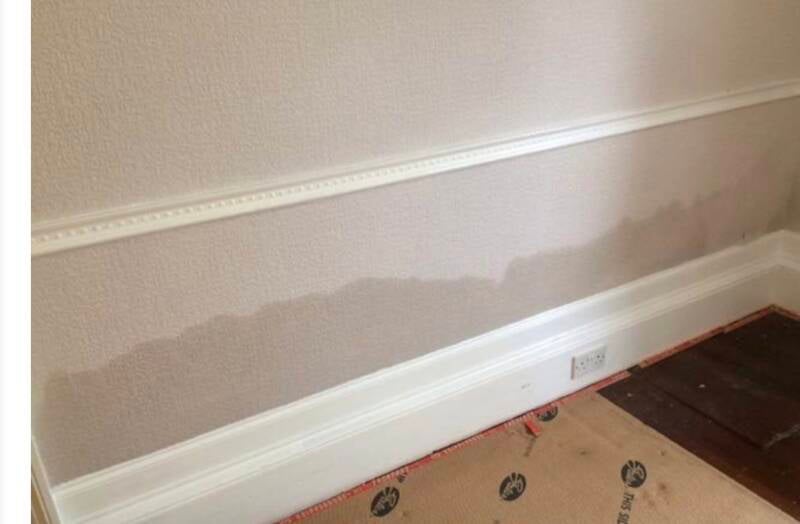
- The 1-Metre Rule: True rising damp exclusively affects ground floor walls and rarely rises higher than 1 metre up the wall.
- Horizontal Tide Marks: Watch for a distinct horizontal stain or a "tide mark" running along the base of your internal walls.
- Hygroscopic Salt Deposits: White, powdery, or fluffy salt crystals appearing on the wall surface or bubbling your paint. These groundwater salts continually attract moisture from the air.
- Damaged Low-Level Woodwork: Rotting, decaying, or fungus-covered skirting boards and floorboards directly touching the wet masonry.
- Peeling Wallpaper: Wallpaper or paint peeling specifically away from the bottom of the wall.
Long-Term Solutions
Fixing rising damp requires treating the issue at its root source rather than just painting over the visual damage. [
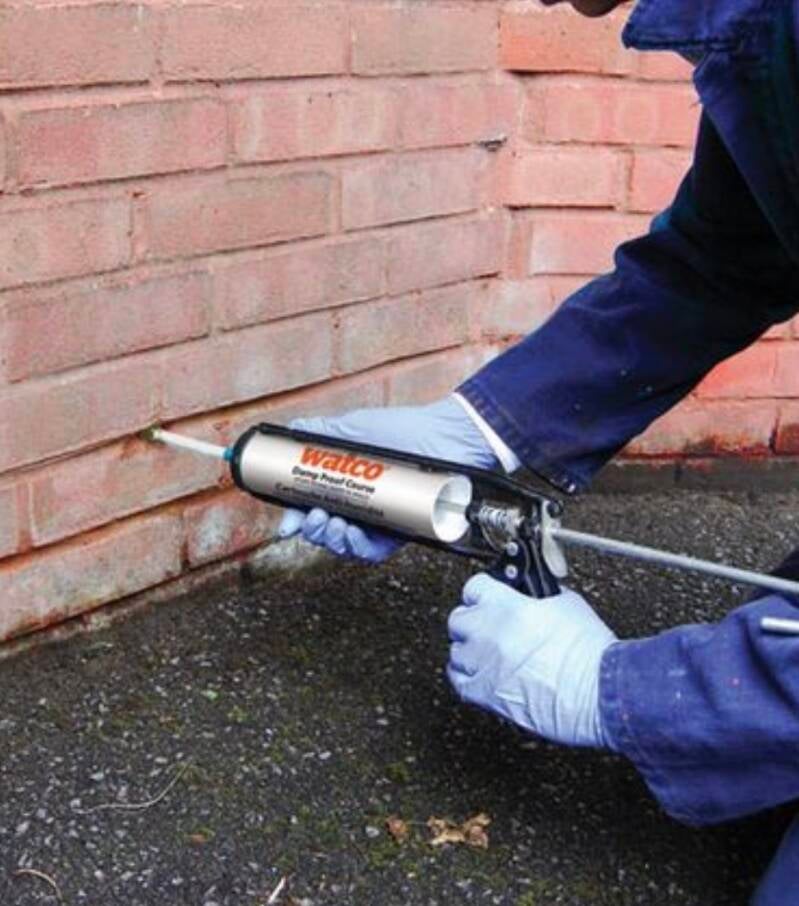
- Damp Proof Course (DPC) Injection: The most common method involves drilling holes into the external mortar line and injecting a silicone-based cream or chemical barrier. This creates a water-repellent layer that blocks future groundwater from rising.
- Plaster Removal and Re-plastering: Simply injecting a DPC is not enough. You must strip the salt-contaminated internal plaster to a minimum height of 1 metre. It must then be replaced using a specialist, salt-retardant renovating plaster to stop residual salts from spoiling new decorations.
- Lowering External Ground Levels: Rising damp frequently happens when external flower beds, patios, or pathways are built up higher than the original DPC line. Digging these away to leave a 150mm gap below the floor level often stops the moisture bridge immediately.
- Membrane Systems: In severe cases or cellar walls, a studded cavity-drain membrane system is attached to the wall before applying new plasterboards to keep the wet masonry completely isolated.
Booking a Specialist Survey in Liverpool
Before purchasing chemical treatments, it is highly recommended to commission an independent or accredited damp survey. Over-reliance on basic electronic moisture meters can lead to misdiagnosing simple condensation or leaking gutters as expensive rising damp.
£200 for a 2-bed flat, £400 for a 3-bed terrace, and £600 for a large detached house
Add comment
Comments