Cost-Saving & Energy Efficiency
In today's world, where energy costs are continually rising, focusing on cost-saving measures and energy efficiency has never been more important. Implementing energy-efficient practices not only reduces your utility bills but also contributes to a healthier planet. Simple changes, such as switching to LED lighting, using energy-efficient appliances, and improving insulation, can lead to substantial savings over time. Additionally, regular maintenance of heating and cooling systems ensures they operate at peak efficiency, further lowering energy consumption. By being mindful of energy use, individuals and businesses can significantly cut costs while promoting sustainability. Investing in energy-efficient solutions is not just a financial decision; it’s a step towards a more sustainable future for everyone. Making these adjustments can lead to a win-win situation—reducing expenses while helping to protect the environment.
No-Cost Daily Habits (Immediate Savings)
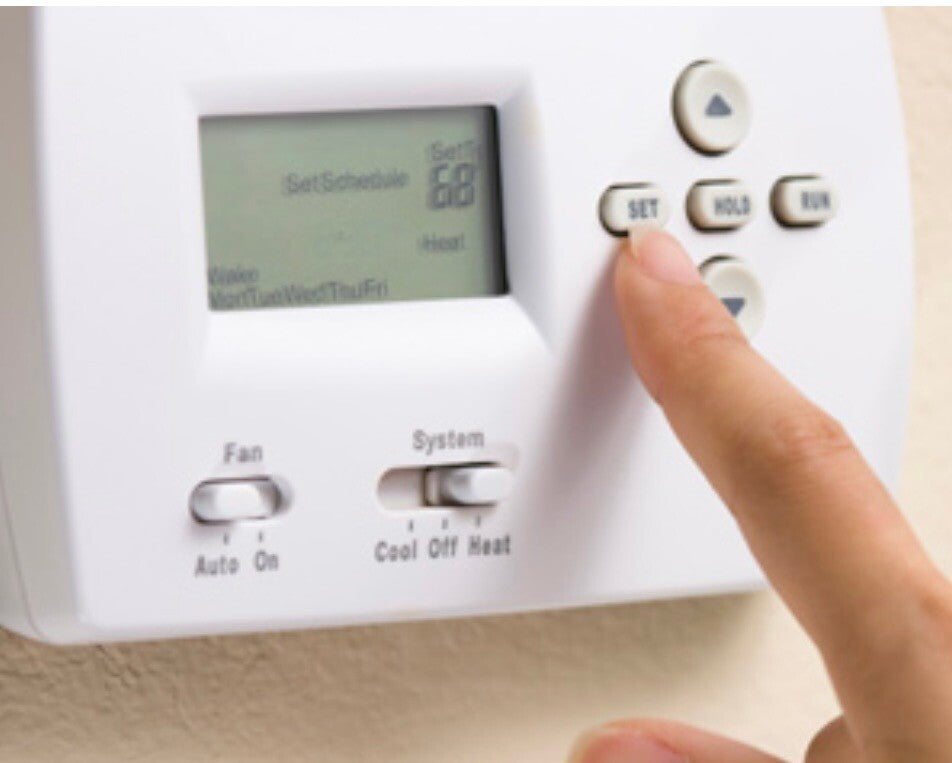
- Lower the thermostat: Dropping your heating temperature by just 1°C can reduce your overall bill by roughly 10%.
- Turn off standby: Switch off electronics like TVs, computers, and microwaves at the plug wall to stop "vampire" power drain.
- Shorten your showers: Restricting your daily shower time to four minutes saves massive amounts of water-heating energy.
- Wash on eco mode: Run your washing machine at 30°C instead of 40°C to use up to 59% less electricity per cycle.
- Ditch the tumble dryer: Line-dry clothes outside or use an indoor drying rack in a well-ventilated space.
- Boil with precision: Only fill the kettle with the exact amount of water you need to save time and power.
- Optimize the kitchen: Match your cooking pans to the burner size, keep lids on pots, and use a microwave or air fryer instead of the oven.
🛠️ Low-Cost Home Improvements
- Draft-proof gaps: Use self-adhesive foam strips, rubber seals, or homemade draft excluders around leaky doors and windows.
- Switch to LEDs: Swap old incandescent bulbs for LED light bulbs, which use up to 80% less energy and last significantly longer.
- Insulate the water tank: Fitting your hot water cylinder with an insulating jacket pays for itself in less than a year.
- Bleed your radiators: Clear trapped air from your heating system regularly so your radiators heat up completely without cold spots.
- Check appliance settings: Set your fridge between 3°C and 5°C, and your freezer at -18°C to ensure optimal running efficiency.
🏡 Long-Term Investments
- Install a smart thermostat: This allows you to control heating zones room-by-room and program schedules directly from a smartphone.
- Upgrade the insulation: Adding loft or cavity wall insulation stops heat from escaping through the roof and walls.
- Replace the boiler: Swap an old, inefficient boiler for a modern A-rated system or look into low-carbon heat pump grants.
- Request a smart meter: Ask your energy supplier for a smart meter to track your real-time consumption and identify heavy power drains.